

Microchipping Your Pet: A Simple Step That Can Bring Them Home

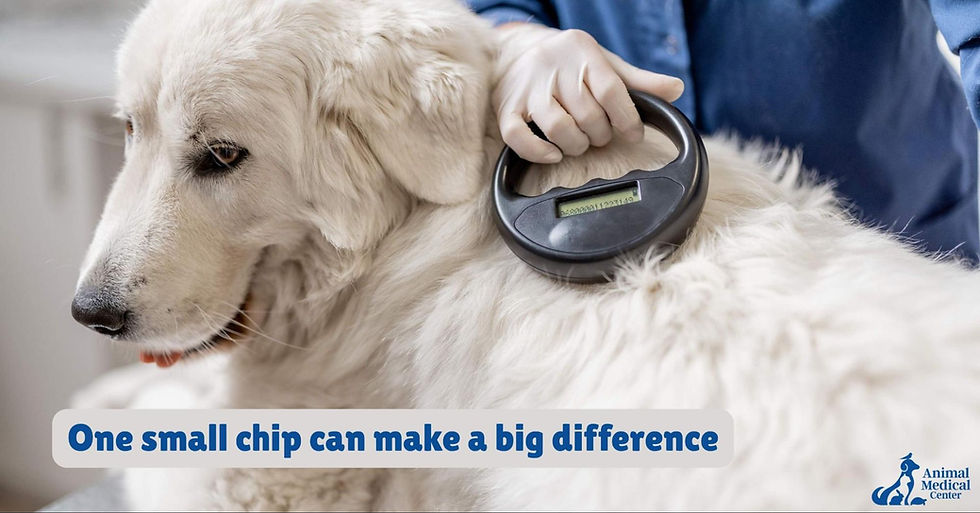
Losing a pet is every owner’s worst fear. One of the easiest and most effective ways to ensure a lost pet is returned home is microchipping. Microchips provide permanent identification that stays with your pet for life.
What is a Microchip?
A microchip is a tiny computer chip, about the size of a grain of rice, that is programmed with a unique identification number. Once implanted, this number is permanently linked to your pet and can be used to identify them at any point in their life.
How Does Microchip Identification Work?
When a lost pet is found, a universal microchip scanner is passed over the pet’s body.
The scanner sends a radio signal to the chip
The chip transmits its unique ID number
The number appears on the scanner screen
The clinic, shelter, or police department can then contact a national microchip registry to retrieve the pet owner’s contact information.
Your pet does not feel anything when the chip is scanned.
What are the Benefits of Microchipping My Pet?
Microchipping offers many advantages, including:
Reuniting with your lost pet more quickly
Permanent identification that cannot fall off, be altered, or be removed
Pets have been reunited with their owners years after going missing or after traveling long distances
Works for dogs, cats, and many small mammals
Unlike collars and ID tags, microchips stay with your pet for life.
Does Implanting the Microchip Hurt?
Most pets react to microchip implantation the same way they do to a routine vaccination.
The procedure is quick
The chip is completely biocompatible
It does not burn, irritate, or damage tissue
Does My Pet Need to Be Sedated?
No. Microchipping is performed just like any other injection.
No anesthesia or sedation is required
The process takes only a few seconds
Microchips are often implanted during routine visits, spay/neuter procedures, or wellness exams.
How Long Does a Microchip Last?
Microchips are designed to last the lifetime of your pet.
They contain no battery or power source
They have no moving parts
Once implanted, connective tissue forms around the chip to hold it in place
Microchips require no maintenance or special care.
Are There Risks or Allergic Reactions?
Microchips are:
Inert
Smooth
Nontoxic
Non-allergenic
Allergic reactions or rejection are extremely rare, making microchips a very safe form of identification.
How Will My Pet Be Returned If Found?
Veterinary clinics, animal shelters, and police departments routinely scan found pets for microchips. When a chip is detected:
The ID number is obtained
A national registry is contacted
Owner information is retrieved
You are contacted to let you know your pet has been found
Keeping Your Microchip Information Updated
After microchipping, you will receive instructions on how to register your pet’s chip and update your contact information.
Update your information whenever you move or change phone numbers
Keeping your details current is essential for successful reunification
Our Recommendation
Microchipping is a simple, safe, and lifelong way to protect your pet. Combined with collars and ID tags, it greatly increases the chances of your pet being returned home quickly if they ever become lost.
If your pet isn’t microchipped or you need help updating registration information, our veterinary team at Animal Medical Center is happy to assist.
One small chip can make a big difference.


